
Articles.
LATEST WORK
Oxygen Concentrators — Principles, Mechanisms, and Clinical Context
This article discusses the concept of oxygen concentrators, a category of medical devices designed to separate oxygen from ambient air and deliver a higher concentration of oxygen for inhalation. The discussion focuses on definition, operational mechanisms, relevant physiological principles, and broader clinical and technological contexts. The article follows a structured progression: defining objectives, explaining foundational concepts, describing mechanisms in detail, presenting a balanced overview of applications and limitations, and concluding with key insights and frequently asked questions. The purpose is strictly informational and does not include recommendations or usage guidance.
Apr 27, 2026
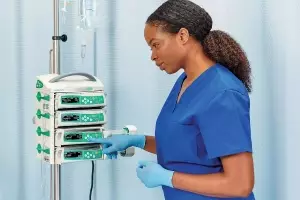
Infusion Pumps: A Neutral Scientific Overview
Infusion pumps are medical devices designed to deliver fluids, nutrients, or medications into the body in a controlled and measurable manner. This article provides a purely informational and neutral overview of infusion pumps, explaining their fundamental definition, basic concepts, operating mechanisms, application contexts, and broader considerations related to safety and standardization. The discussion follows a structured sequence: clarifying objectives, introducing foundational concepts, examining core mechanisms in detail, presenting a comprehensive and objective perspective, summarizing key points with an outlook, and concluding with a factual question-and-answer section. The content serves exclusively for knowledge dissemination and does not include recommendations, assurances, or persuasive language.
Feb 09, 2026
When Supportive Devices Are Used Alongside Medical Treatment
The integration ofsupportive devicesalongside primary medical treatment refers to a multidisciplinary approach where physical hardware or electronic instruments are used in conjunction with pharmaceutical or surgical interventions to optimize patient outcomes. These devices—ranging from mobility and respiratory supports to advanced monitoring systems—are not intended to replace primary therapy but to act as structural or functional adjuncts that facilitate recovery, stabilize physiological parameters, or improve daily function. This article provides a neutral, science-based exploration of the synergy between clinical treatment and supportive technology. It details the mechanical and biological principles of integrated care, examines how data from monitoring devices informs treatment adjustments, and discusses the objective criteria for device implementation. The following sections follow a structured trajectory: defining the parameters of adjunctive device use, explaining the core mechanisms of mechanical and physiological support, presenting a comprehensive view of the clinical landscape, and concluding with a technical inquiry section to address common questions regarding device maintenance and data integration.
Dec 30, 2025
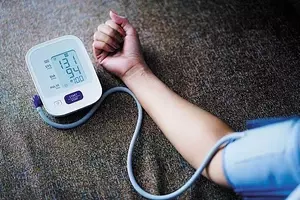
What Is a Blood Pressure Monitor and Who Uses It?
A blood pressure monitor, technically referred to as a sphygmomanometer, is a medical instrument used to measure the force exerted by circulating blood against the internal walls of the arteries. This measurement is a cornerstone of cardiovascular health assessment, providing two critical values: systolic and diastolic pressure. This article serves as a comprehensive guide to understanding the nature of these devices, the scientific principles that allow them to function, the diverse populations that rely on them for health management, and the future of non-invasive vascular monitoring.
Dec 22, 2025