
Articles.
LATEST WORK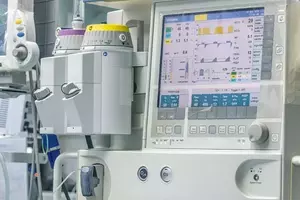
Anesthesia Machine: Structure, Mechanisms, and Clinical Context
An anesthesia machine is a medical device designed to deliver anesthetic gases and oxygen to patients while supporting ventilation and monitoring during surgical or procedural care. It integrates gas supply systems, vaporizers, breathing circuits, ventilators, and safety monitoring components into a unified platform. This article provides a structured and neutral overview of anesthesia machines. It begins by defining the core concept and outlining the objectives of the discussion, followed by a clarification of foundational principles. It then explains the essential operating mechanisms, presents a comprehensive and objective discussion of clinical roles and limitations, and concludes with a forward-looking perspective. A factual question-and-answer section addresses common technical inquiries. The purpose is solely scientific explanation and knowledge transmission.
Mar 04, 2026
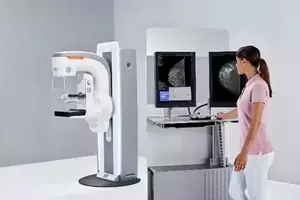
Molybdenum-Target Mammography: a Neutral, Evidence-Based Primer
This article explains what is meant by “molybdenum-target mammography,” how the technology works, why molybdenum is used as an anode material in some mammography X-ray tubes, the typical technical and dose characteristics associated with this choice, and the principal limitations and trade-offs. The text follows a strict, neutral sequence: Objective → Basic concepts → Core mechanisms and deeper explanation → Full-picture and objective discussion → Summary and outlook → Question & Answer section. Data and technical claims cite authoritative sources; full source URLs are listed at the end.
Mar 03, 2026
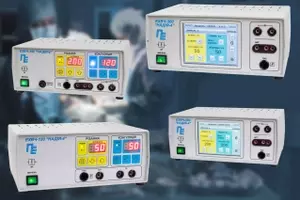
High-Frequency Electrosurgical Units: Principles, Mechanisms, and Clinical Context
A high-frequency electrosurgical unit (ESU), commonly referred to as a high-frequency electric scalpel, is a medical device that uses alternating electrical current at radiofrequency ranges to cut tissue or achieve hemostasis during surgical procedures. This article provides a structured and neutral overview of high-frequency electrosurgery. It begins by defining the concept and clarifying objectives, then explains foundational physical and biological principles, followed by an in-depth discussion of operational mechanisms. A comprehensive section addresses clinical applications, safety considerations, and regulatory aspects. The article concludes with a forward-looking summary and a question-and-answer section designed to clarify common informational queries. The focus remains strictly educational and evidence-based.
Mar 02, 2026
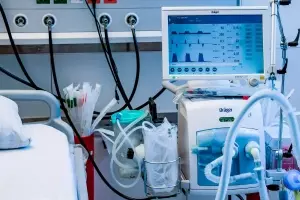
Mechanical Ventilators: Principles, Functions, and Clinical Context
A mechanical ventilator is a medical device designed to assist or replace spontaneous breathing by moving air into and out of the lungs. This article provides a structured, neutral overview of ventilators, beginning with a clear definition and scope. It proceeds through foundational respiratory concepts, explains the core mechanisms and operating modes of ventilators, presents a comprehensive discussion of clinical applications and limitations, and concludes with future perspectives. A final question-and-answer section addresses common informational queries. The focus remains strictly on scientific explanation and publicly documented data.
Mar 02, 2026

Surgical Robots: A Scientific and Technical Overview of Robotic-Assisted Surgery
A surgical robot is a computer-assisted medical system designed to support surgeons in performing operative procedures through enhanced precision, visualization, and instrument control. This article presents a structured and neutral scientific overview of surgical robots. It clarifies definitions, explains technological foundations, outlines regulatory and clinical contexts, discusses global adoption patterns, and summarizes current research directions. The structure follows a systematic sequence: objective definition, foundational concepts, core mechanisms and technical explanation, comprehensive and objective discussion, summary and outlook, and a factual question-and-answer section. All statistical information is derived from publicly available reports issued by recognized international institutions.
Feb 27, 2026

Ultrasound Equipment: Principles, Functions, and Clinical Applications
Ultrasound equipment refers to medical imaging systems that use high-frequency sound waves to produce images of structures inside the human body. This article aims to provide a neutral and comprehensive overview of ultrasound equipment. It will first define the concept and clarify the objective of the discussion. It will then explain fundamental principles, explore the core mechanisms and technical components, examine the broader clinical and non-clinical applications, and present a balanced discussion of advantages and limitations. The article concludes with a forward-looking summary and a structured question-and-answer section.
Feb 13, 2026

Ventilators: A Scientific Overview of Principles, Mechanisms, and Clinical Context
Mechanical ventilators are medical devices that assist or replace spontaneous breathing by facilitating controlled airflow into and out of the lungs. This article provides a structured, neutral overview of ventilators, including their definitions, classifications, operating mechanisms, and clinical context. It examines both the functional benefits and the recognized limitations of mechanical ventilation, offering a comprehensive scientific perspective intended solely for information dissemination and foundational understanding.
Feb 02, 2026
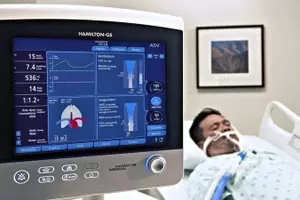
Mechanical Ventilators: A Scientific Overview of Principles, Functions, and Clinical Context
Mechanical ventilators are medical devices that provide respiratory support by mechanically assisting airflow into and out of the lungs. This article presents a neutral, science-based overview of their purpose, historical development, operating principles, and clinical context. By examining physiological mechanisms, ventilation parameters, and technological considerations, the article aims to enhance general understanding of mechanical ventilation as a foundational component of modern healthcare.
Jan 30, 2026

Home Laser Hair Removal Devices: A Technical and Clinical Overview
This article provides a neutral, technical examination of home laser and IPL hair removal devices. It defines the devices as consumer appliances utilizing selective photothermolysis to target hair follicles. The text analyzes the mechanical differences between Diode lasers and IPL, the biological impact of light on the hair growth cycle, and the safety constraints determined by the Fitzpatrick Skin Scale. Referencing data from the FDA and clinical journals, the article outlines the objective efficacy of these devices (40%–75% reduction) and discusses the regulatory environment and future trends in smart diagnostics and cooling technology.
Jan 26, 2026

Wheelchairs: A Technical and Functional Overview
This article provides a neutral, technical examination of wheelchair technology. It defines the foundational categories of manual and power-operated mobility devices and details the mechanical principles of propulsion, axle positioning, and seating ergonomics. Referencing data from the WHO and the World Bank, the text analyzes the global demand for mobility aid and the regulatory frameworks, such as ISO 7176 and ADA standards, that ensure safety and accessibility. The article concludes by discussing future trends in autonomous navigation and power-assist technology, providing a factual basis for understanding the role of wheelchairs in modern healthcare and society.
Jan 23, 2026
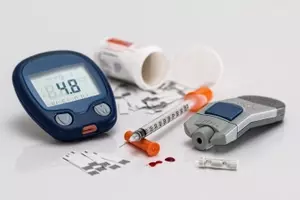
How Home Monitoring Devices Support Long-Term Health Awareness
Home monitoring devicesencompass a specialized category of portable electronic instruments designed to measure and record physiological data outside of traditional clinical environments. These technologies—ranging from automated blood pressure cuffs to digital glucose meters and wearable pulse oximeters—serve as objective tools for tracking vital signs over extended periods. The core concept involves the systematic collection of personal health metrics to foster long-term health awareness and facilitate data-driven communication with healthcare providers. This article provides a neutral exploration of how these devices function, the biological parameters they quantify, the technical frameworks of data longitudinality, and the objective limitations of self-monitoring. The following sections follow a structured trajectory: defining the scope of home-based diagnostics, explaining the core mechanisms of data acquisition, presenting a comprehensive view of the benefits and constraints of long-term tracking, and concluding with a technical inquiry section to address common questions regarding device accuracy and data management.
Dec 30, 2025
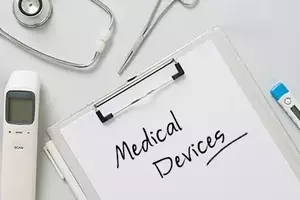
Difference Between Medical Devices and Medications: A Technical and Regulatory Overview
The distinction betweenmedical devicesandmedications(pharmaceuticals) is a fundamental pillar of healthcare regulation and clinical practice. While both are essential healthcare products designed to diagnose, treat, prevent, or mitigate health conditions, they are categorized based on their primary mode of action and the scientific principles by which they interact with the human body. This article provides a neutral, evidence-based exploration of these two categories, detailing their legal definitions, the biological versus mechanical pathways of their function, and the distinct regulatory frameworks used to ensure their safety. The following sections follow a structured trajectory: defining the foundational concepts of medical intervention, explaining the core mechanisms of chemical versus physical interaction, presenting an objective comparison of development and oversight, and concluding with a technical inquiry section to address common questions regarding product classification.
Dec 26, 2025

How Nebulizers Help Respiratory Conditions: A Technical Overview
A nebulizer is a specialized medical device engineered to convert liquid medication into a fine mist, known as an aerosol, which can be directly inhaled into the lungs. This method of delivery is a cornerstone of pulmonary therapy, particularly for individuals who may have difficulty using standard handheld inhalers. By bypassing the need for complex hand-breath coordination, nebulizers ensure that therapeutic agents reach the lower respiratory tract efficiently.
Dec 22, 2025