
Articles.
LATEST WORK
Portable Patient Monitoring Devices — A Neutral Overview
Portable patient monitoring devices refer to compact electronic systems designed to measure, record, and transmit physiological data outside traditional clinical environments. This article explains the definition of these devices, their technological foundations, operational mechanisms, and areas of application. It also examines limitations, data interpretation considerations, and system-level challenges. The structure follows a clear progression: objective definition, conceptual foundations, core mechanisms, balanced discussion, synthesis, and question-and-answer review.
Apr 20, 2026, 9:00 AM

Breath Alcohol Testing Devices (Breathalyzers)
This article provides a comprehensive overview of breath alcohol testing devices, commonly known as breathalyzers. It explains the fundamental differences between fuel cell and semiconductor sensor technologies, discusses their accuracy and reliability, and reviews the legal standards for blood alcohol concentration (BAC) in driving enforcement. The article also covers factors affecting measurement validity and concludes with frequently asked questions.
Apr 13, 2026, 9:05 AM
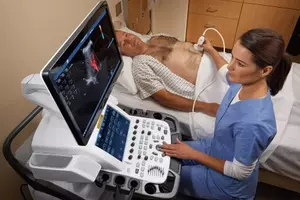
Ultrasound Imaging Systems: Principles, Technology, and Clinical Context
Ultrasound imaging systems, often referred to as diagnostic ultrasound or sonography devices, are medical tools that use high-frequency sound waves to visualize internal body structures. This article defines ultrasound imaging, outlines its purpose, and previews the discussion of its underlying physical principles, technological mechanisms, and broader applications. It further presents an objective overview of capabilities and limitations, followed by a summary, future outlook, and a structured question-and-answer section.
Apr 09, 2026, 9:28 AM
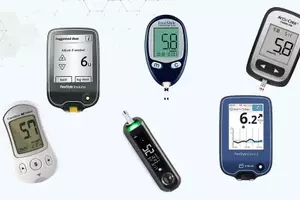
Blood Glucose Monitors: Principles, Measurement Methods, and Clinical Context
Blood glucose monitors are devices designed to measure the concentration of glucose in the blood, providing essential information for understanding metabolic status. This article defines what blood glucose monitoring is, explains how these devices function, explores their measurement mechanisms, and presents an objective discussion of their role in health management. It concludes with a summary, future outlook, and a structured question-and-answer section.
Apr 09, 2026, 9:24 AM
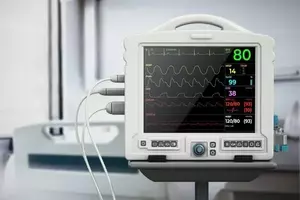
Electrocardiograph (ECG Machine): Understanding Its Principles and Clinical Applications
This article provides a comprehensive overview of the electrocardiograph (ECG) machine, a medical device used to record the electrical activity of the heart. It aims to clarify its functional principles, operational mechanisms, clinical relevance, and technological variations. The discussion covers foundational concepts, the core mechanisms of signal acquisition and interpretation, a review of objective advantages and limitations, and potential future developments. The article concludes with a question-and-answer section to address common queries.
Apr 08, 2026, 9:43 AM
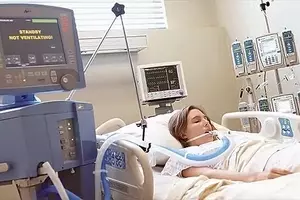
Mechanical Ventilators: Principles, Functions, and Clinical Contexts
A mechanical ventilator is a medical device designed to assist or replace spontaneous breathing by delivering controlled airflow into and out of the lungs. This article presents a structured and neutral overview of mechanical ventilation, including its definition, underlying physiological principles, operational mechanisms, clinical applications, limitations, and future developments. It also addresses common questions regarding its use and interpretation in healthcare settings.
Apr 07, 2026, 8:42 AM
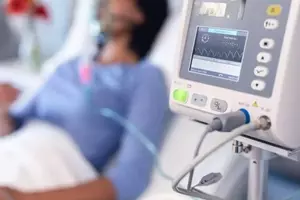
Mechanical Ventilators: Principles, Applications, and Clinical Context
Mechanical ventilators are medical devices designed to assist or replace spontaneous breathing by facilitating the movement of air into and out of the lungs. They are widely used in various healthcare settings, particularly in cases where respiratory function is impaired. This article defines mechanical ventilation, clarifies its objectives, and explains the physiological and technical mechanisms involved. It further provides a comprehensive and neutral discussion of its applications, advantages, and limitations. The article concludes with a forward-looking perspective and a structured question-and-answer section addressing common informational topics related to ventilator use.
Mar 20, 2026, 5:41 AM
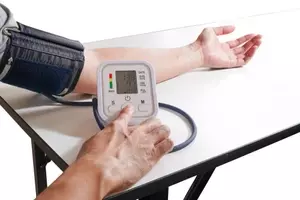
Cardiac Monitoring Devices : A Comprehensive Scientific Overview
Cardiac monitoring devices, commonly referred to as electrocardiographic monitoring systems, are medical technologies designed to observe and record the electrical activity of the heart over time. These systems play a central role in modern healthcare by enabling continuous or periodic assessment of cardiac function in various clinical and non-clinical settings. This article defines cardiac monitoring, outlines its objectives, and explains the physiological and technical mechanisms underlying its operation. It further examines the scope of applications, benefits, and limitations from an objective standpoint. The discussion concludes with a forward-looking perspective on technological developments and a structured question-and-answer section addressing common informational queries.
Mar 20, 2026, 5:30 AM

Oxygen Concentrators: Principles, Functions, and Their Role in Oxygen Therapy
An oxygen concentrator is a medical device designed to provide supplemental oxygen by separating oxygen from ambient air. These devices are commonly used in healthcare settings and in certain home environments to support individuals who require oxygen therapy. This article presents a neutral and educational explanation of oxygen concentrators. It outlines the objective of the discussion, explains the fundamental concepts behind oxygen generation, examines the technical mechanisms that allow the device to function, and presents a balanced overview of applications and considerations. The article concludes with a summary, a discussion of future developments, and a question-and-answer section addressing commonly asked informational topics.
Mar 11, 2026, 9:35 AM
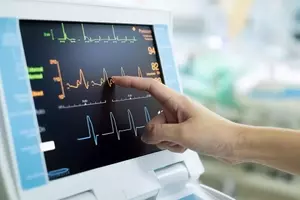
Electrocardiograph (ECG) Machines: Principles, Functionality, and Clinical Overview
Electrocardiograph (ECG) machines are medical devices used to record the electrical activity of the heart. These machines provide critical information for the assessment of cardiac rhythm, conduction patterns, and potential cardiac abnormalities. This article offers a neutral, educational overview of ECG machines, covering their objectives, fundamental concepts, operational mechanisms, industry applications, and regulatory considerations. The discussion follows a structured framework: defining the objective, analyzing basic concepts, exploring core mechanisms in depth, presenting a comprehensive overview, summarizing insights and future developments, and concluding with a question-and-answer section addressing frequently asked informational questions.
Mar 10, 2026, 9:02 AM
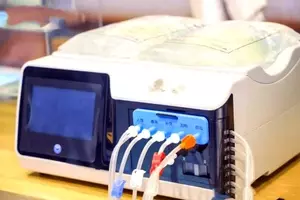
Dialysis Machines: Principles, Mechanisms, Clinical Applications, and Perspectives
A dialysis machine is a medical device designed to perform the essential functions of the kidneys when renal function is severely impaired. It removes waste products, excess fluids, and balances electrolytes in the blood through controlled filtration processes. This article provides a structured and neutral overview of dialysis machines, beginning with a definition and clear objective. It then explains foundational concepts, details the underlying mechanisms of operation, discusses clinical applications and limitations, and concludes with a forward-looking perspective. A question-and-answer section addresses common points of clarification. All content is presented for educational purposes and maintains a strictly informational focus.
Feb 12, 2026, 9:31 AM
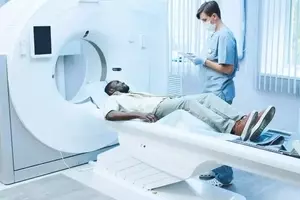
Magnetic Resonance Imaging (MRI): Principles, Mechanisms, Applications, and Perspectives
Magnetic Resonance Imaging (MRI) is a non-invasive medical imaging technique widely used to visualize internal structures of the human body. This article provides a structured and neutral overview of MRI, beginning with a clear definition and outlining its objectives. It explains the fundamental physical principles behind MRI, examines its operational mechanisms, and discusses its clinical and research applications. The article also presents a balanced discussion of benefits, limitations, safety considerations, and evolving technological developments. A concluding section summarizes key points and offers a forward-looking perspective, followed by a question-and-answer segment addressing common inquiries. All information is presented for educational purposes only.
Feb 12, 2026, 9:28 AM
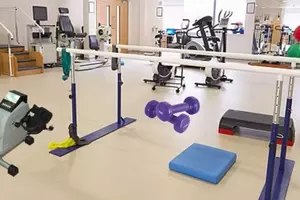
Rehabilitation Training Devices: A Neutral Scientific Overview of Principles
Rehabilitation training devices are mechanical, electromechanical, or digital systems designed to assist individuals in regaining physical, neurological, or functional abilities following injury, illness, or surgery. These devices are used in medical rehabilitation to support recovery of movement, strength, coordination, balance, and daily living skills. This article provides a structured and neutral scientific overview of rehabilitation training devices. It defines the core concept, explains physiological and biomechanical mechanisms, examines clinical applications and limitations, and presents relevant epidemiological context supported by authoritative data sources. The discussion follows a clear structure: objective clarification, foundational concepts, mechanism explanation, comprehensive contextual analysis, summary and outlook, and a question-and-answer section.
Feb 11, 2026, 9:36 AM
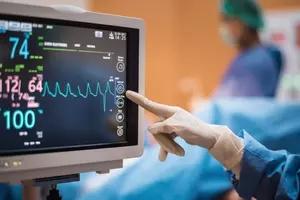
Cardiac Monitor: A Neutral Scientific Overview of Principles, Functions, and Clinical Context
A cardiac monitor is a medical device designed to continuously observe and record the electrical activity of the heart, typically through electrocardiographic (ECG) signals, in order to assess heart rhythm and detect abnormalities. This article provides a structured and neutral scientific overview of cardiac monitoring systems. It defines the core concept, explains the physiological and technical mechanisms involved, examines their clinical applications and limitations, and presents relevant epidemiological context based on authoritative data. The discussion follows a clearly defined structure: objective clarification, foundational concepts, in-depth mechanism explanation, comprehensive contextual analysis, summary and outlook, and a question-and-answer section.
Feb 11, 2026, 9:34 AM

Wheelchairs: A Neutral Scientific Overview
This article presents a neutral, science-based overview of wheelchairs as assistive mobility devices. It defines the core concept of a wheelchair and outlines the scope of discussion, which proceeds through six structured sections: objective definition, foundational concept explanation, core mechanisms and detailed analysis, a comprehensive and objective discussion of the broader context, a summary with future-oriented observations, and a question-and-answer section. The content is limited strictly to factual description and knowledge transmission, without recommendation, promise, or inducement.
Feb 06, 2026, 9:55 AM
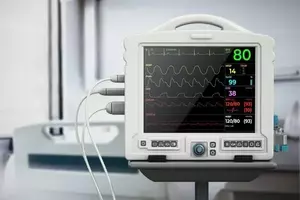
Electrocardiogram (ECG) Devices: A Scientific Overview of Principles, Function, and Interpretation
An electrocardiogram (ECG) device is a medical instrument used to record the electrical activity of the heart over a period of time. By detecting and amplifying bioelectrical signals generated during cardiac cycles, ECG devices provide structured waveforms that reflect heart rhythm and conduction patterns. This article offers a neutral, educational overview of ECG devices, explaining their purpose, foundational concepts, core operating mechanisms, and interpretive context. The discussion follows a fixed structure: defining objectives, introducing basic concepts, exploring underlying mechanisms in depth, presenting a comprehensive and objective perspective, summarizing key points and future directions, and concluding with a factual question-and-answer section. The content serves solely to convey information and scientific understanding without recommendation, promise, or inducement.
Feb 05, 2026, 8:48 AM
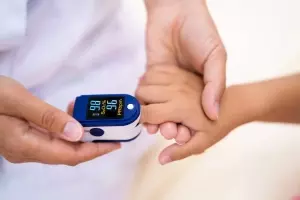
Pulse Oximeter: A Neutral Scientific Overview of Principles, Use, and Limitations
A pulse oximeter is a noninvasive medical device designed to estimate the oxygen saturation of hemoglobin in arterial blood. It has become a widely recognized tool in clinical environments and home health monitoring contexts. This article provides a neutral, science-focused overview of pulse oximetry, outlining its objectives, foundational concepts, operating mechanisms, interpretive considerations, and known limitations. The discussion follows a structured path: clarifying the goal of pulse oximetry, explaining basic concepts, examining the core measurement mechanism in depth, presenting a balanced and comprehensive perspective, summarizing key points and future directions, and concluding with a factual question-and-answer section. The purpose is strictly informational, aiming to support general understanding without recommendation, endorsement, or inducement.
Feb 05, 2026, 8:41 AM
Why Proper Use Matters in Medical Devices
Proper use of medical devicesrefers to the administration, operation, and maintenance of health-related instruments in strict accordance with manufacturer specifications, clinical guidelines, and regulatory standards. In the contemporary healthcare landscape, where sophisticated technology—ranging from automated blood pressure monitors to advanced insulin delivery systems—is increasingly utilized in non-clinical environments, the interface between the user and the machine becomes a critical determinant of data integrity and safety. This article provides a neutral, science-based exploration of the technical necessity for correct device operation. It details the foundational mechanics of human-device interaction, the physical and electronic consequences of operational errors, and the objective impact of "user technique" on clinical outcomes. The following sections follow a structured trajectory: defining the parameters of operational compliance, explaining the core mechanisms of signal accuracy and calibration, presenting a comprehensive view of technical risks and variables, and concluding with a technical inquiry section to address common questions regarding maintenance and error prevention.
Dec 30, 2025, 6:51 AM

Using Wearable Devices to Track Daily Health Patterns: A Technical and Analytical Overview
Wearable health devicesare a class of integrated electronic instruments worn on the body—such as smartwatches, fitness bands, rings, and smart patches—that utilize advanced sensors to monitor and record physiological and behavioral data in real time. These devices enable the continuous collection of "longitudinal data," which reflects an individual's biological patterns over days, months, and years. This article provides a neutral, science-based exploration of wearable technology, detailing the physical sensors used for bio-tracking, the algorithms that interpret raw data into health metrics, the objective utility of pattern recognition in modern wellness, and the technical limitations inherent in consumer-grade hardware. The following sections follow a structured trajectory: defining the parameters of wearable monitoring, explaining the core mechanisms of signal acquisition, presenting a comprehensive view of data interpretation and clinical boundaries, and concluding with a technical inquiry section to address common questions regarding data validity and privacy.
Dec 30, 2025, 5:59 AM
What Is Remote Patient Monitoring Technology? A Technical and Clinical Overview
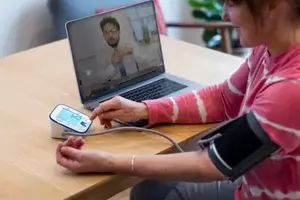
Remote Patient Monitoring (RPM) technology refers to a coordinated system of digital medical devices and telecommunications infrastructure used to collect patient health data from one location and securely transmit it to healthcare providers at a different location for assessment. Unlike traditional telehealth, which focuses on real-time video consultations, RPM focuses on the continuous or periodic acquisition of physiological metrics outside of conventional clinical settings. This article provides a neutral, scientific exploration of RPM technology, detailing its structural components, the data transmission pathways, and its role in managing chronic physiological conditions. The following sections follow a structured trajectory: defining foundational concepts, explaining the core mechanisms of data synchronization, presenting an objective overview of systemic challenges and benefits, and concluding with a technical inquiry section to clarify common operational questions.
Dec 25, 2025, 7:54 AM